


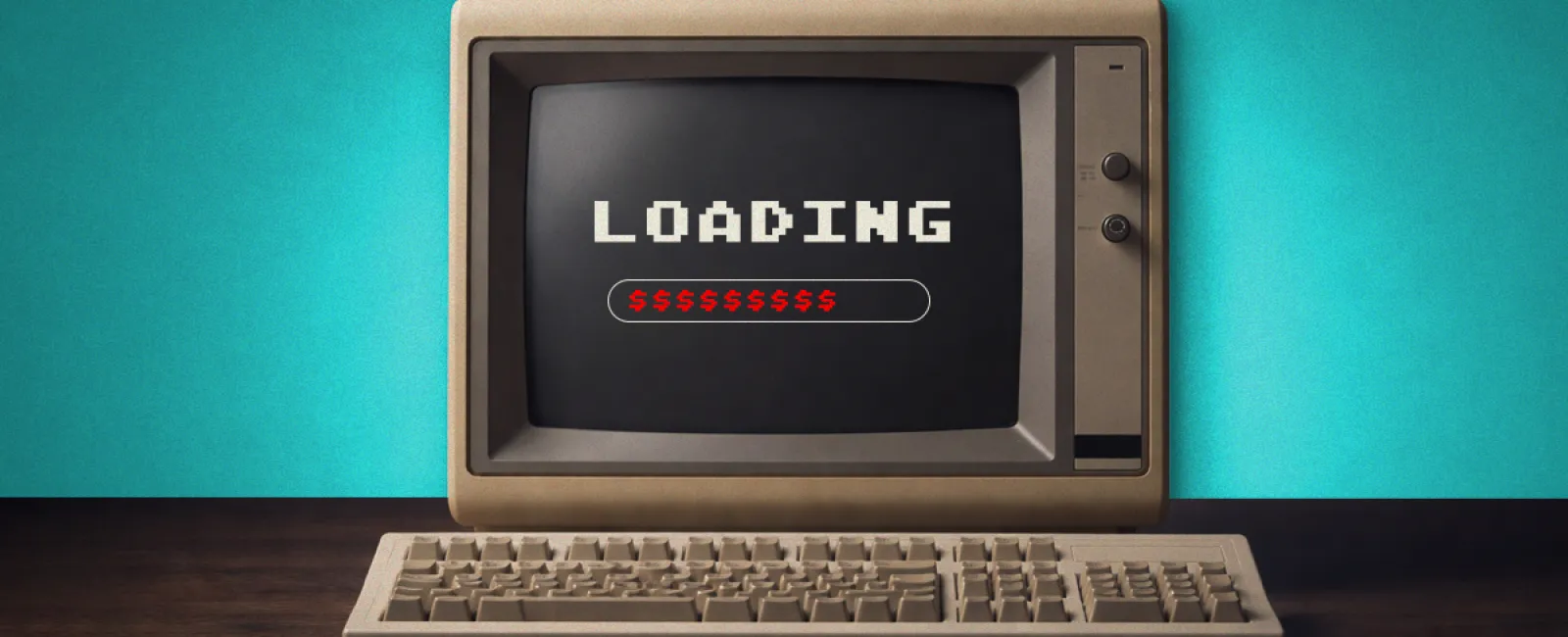
Most people treat outdated technology like a
favorite sock with a hole in it—clearly past its prime, but not bad enough to
throw out yet.
You notice it here and there, like when it
suddenly takes forever to send a simple email, or when you hit save and the
screen freezes like it forgot what it was doing.
It's frustrating, but it's not enough to stop
what you're doing. You deal with it, move on, and the tech and related issues
keep hanging around.
While this may not feel like a big deal in the
moment, it's costing you more than you think every single month.
At some point, outdated tech starts costing you more than it's worth
Holding onto older systems can feel like the
practical, frugal choice. If it's still working, why replace it?
The problem is that these systems don't just
sit there. Over time, they start costing you in ways that aren't always
obvious.
Your energy costs begin to creep up because
older equipment works harder just to keep up. It uses more power, generates
more heat, and puts extra strain on everything around it, especially during the
summer. Newer systems are built to be far more efficient. They use less power
and run cooler while doing more work, which means lower operating costs over
time.
Then there's the time side of it. Tasks that
used to be quick take longer. Systems lag, files take longer to open, and small
delays become part of the day. Work doesn't stop, but it stretches out, and
that lost time adds up faster than most people realize.
On top of that, interruptions become routine.
Systems freeze, connections drop, and restarting things becomes part of how
people get through the day. Each interruption might take only a few minutes,
but it breaks focus and slows everything down.
When you step back and look at this trifecta: higher
bills, lost time, and constant interruptions, it becomes harder to justify what
you thought you were saving.
What it looks like when you stop paying for problems
Once those "small"
issues are addressed and outdated systems are replaced where it makes sense, the
difference is noticeable right away.
- Systems start when they're supposed to,
without delays or second attempts
- Restarts and temporary fixes stop being
part of the daily routine
- Your team spends their time working
instead of waiting on technology
- Energy use drops as newer, more efficient
systems replace older ones
- Ongoing costs tied to inefficiency and
downtime start to come down
The day runs more
smoothly, your team stays focused, and you're no longer paying to keep outdated
systems barely functioning.
Is it time for a change?
If your
systems are slow, if issues keep popping up, or if your team has gotten used to
working around the technology, you're already covering the cost.
The only
question is how much longer you want to keep doing that.
Because this issue
doesn't fix itself. It just keeps costing you through lost time, higher bills,
and constant interruptions that never quite go away.
That's where
we come in.
As your IT
partner, we don't just fix issues, we help you stop overpaying for technology
that isn't pulling its weight.
- We identify which systems are costing you
more than they're worth
- We help you decide what should be replaced
now vs. later
- We recommend efficient, right-sized
upgrades (not unnecessary ones)
- We handle the transition, so your team
isn't disrupted
- We maintain everything going forward so
you don't end up in the same position again
Instead of
guessing or putting it off, you'll have a clear plan and systems that support
your business.
Click here or give us a call at 1300 136 420 to schedule your free 15-Minute Discovery Call.
We'll show you what's been costing you—and what's actually worth fixing or
replacing now.
And if you
know someone dealing with the same slow systems and constant issues, send this
their way. They're probably paying for it, too.


